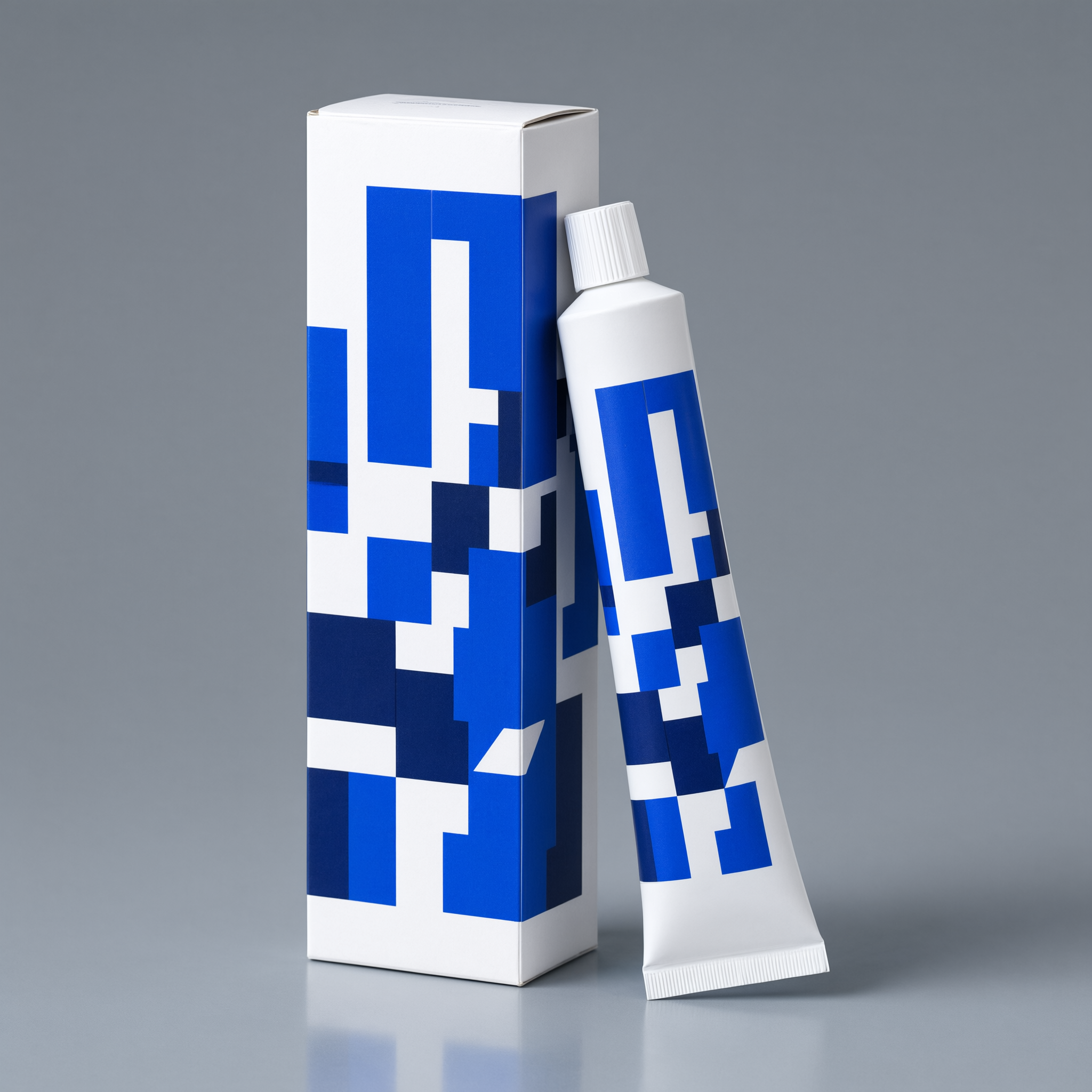
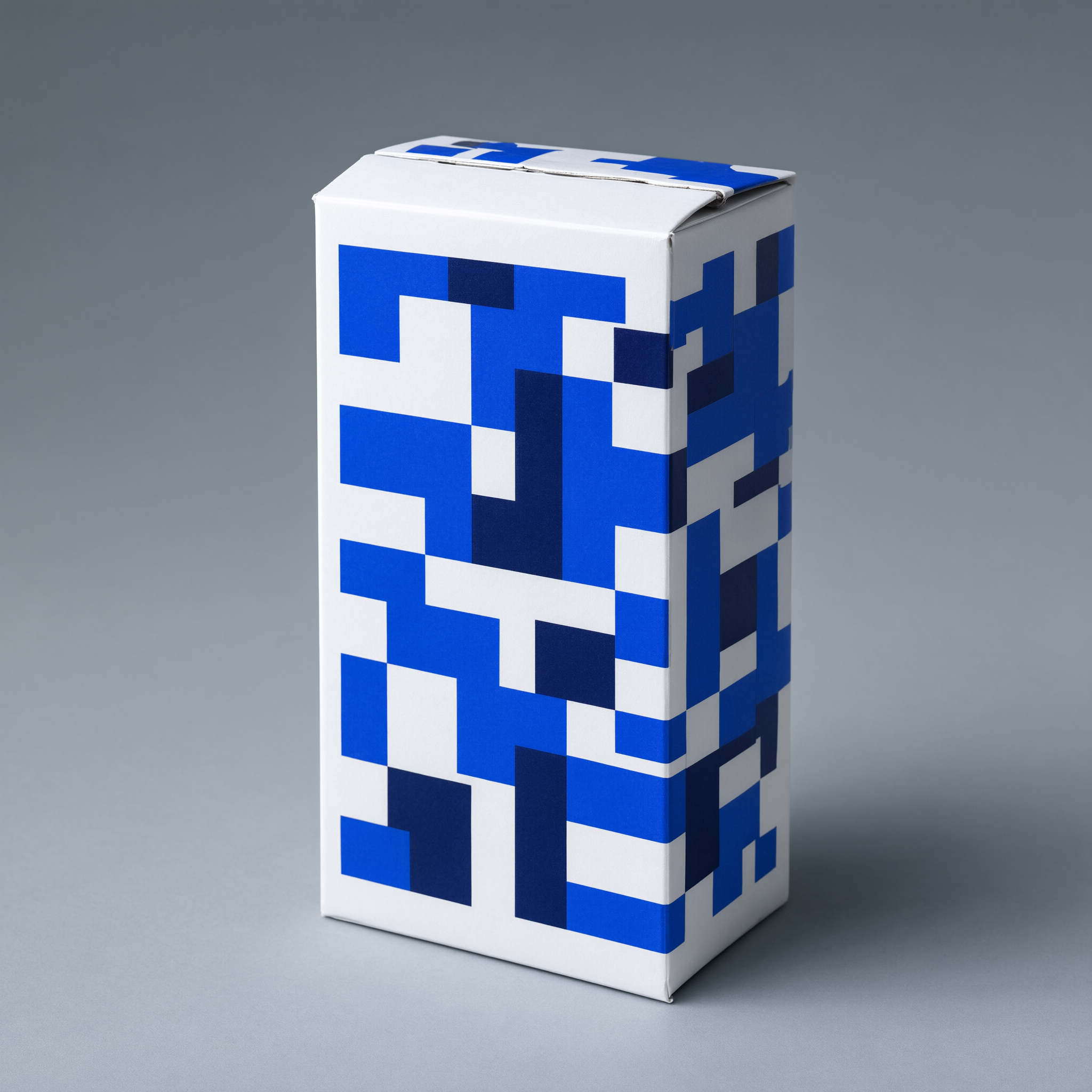
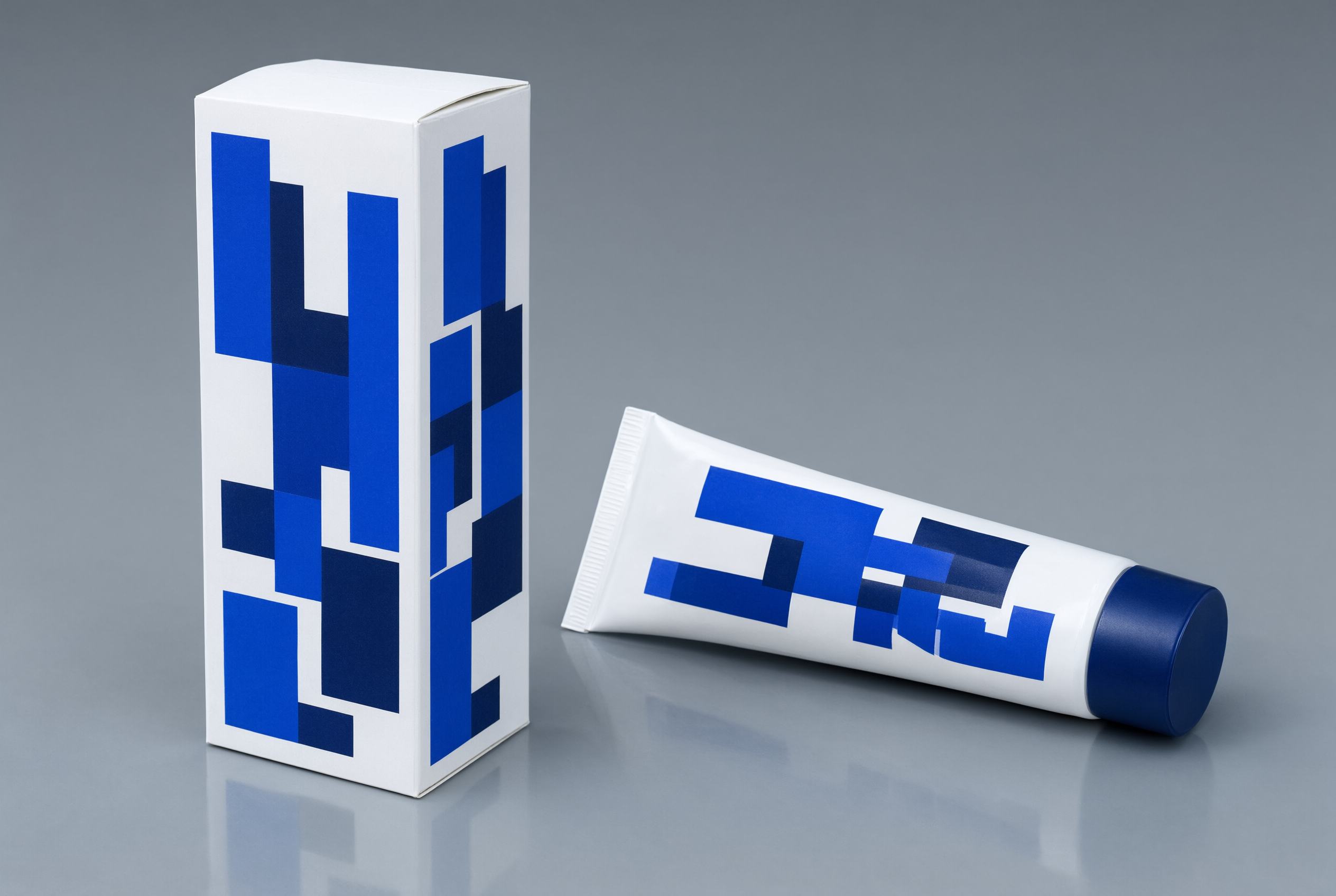
Primary product view
Custom Cosmetic Boxes
Custom Toothpaste Boxes
Custom toothpaste boxes sized around your filled tube, with panel space for the product, regulatory, and retail information your artwork needs.
- Common construction
- Reverse-tuck or straight-tuck folding carton
- Typical material
- SBS paperboard, 16pt-20pt
Working quote
Configure your mailer
Product brief
Built around the way you pack.
A toothpaste box does two jobs at once: it keeps the tube from shifting in the case, and it gives your artwork enough panel space for the product, regulatory, and retail information it needs to carry. Get both right and the carton is a normal part of your shelf reset, not a production delay.
Built Around Your Tube
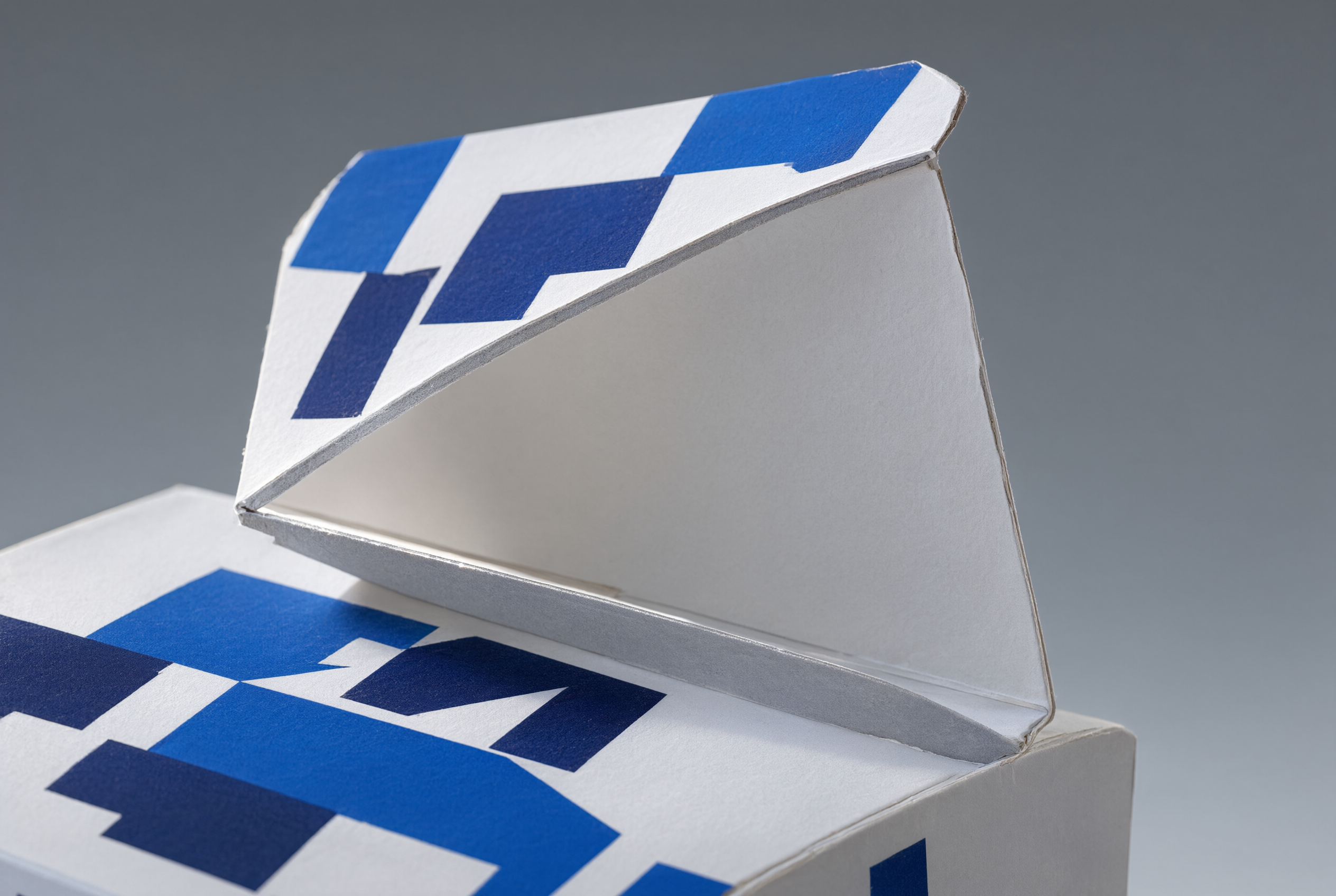
Your tube's filled length and crimp width are what the carton is actually sized around — not a generic stock dimension. That's what keeps the fit practical: enough clearance to pack easily, without so much that the tube shifts around inside. Most toothpaste boxes use a reverse-tuck or straight-tuck construction in single-wall SBS paperboard, typically in the 16pt-to-20pt range — thick enough to hold a crease at the tuck flaps without adding bulk when the tube ships in a multi-pack or end-cap display.
Panel Space for What Your Product Needs to Say
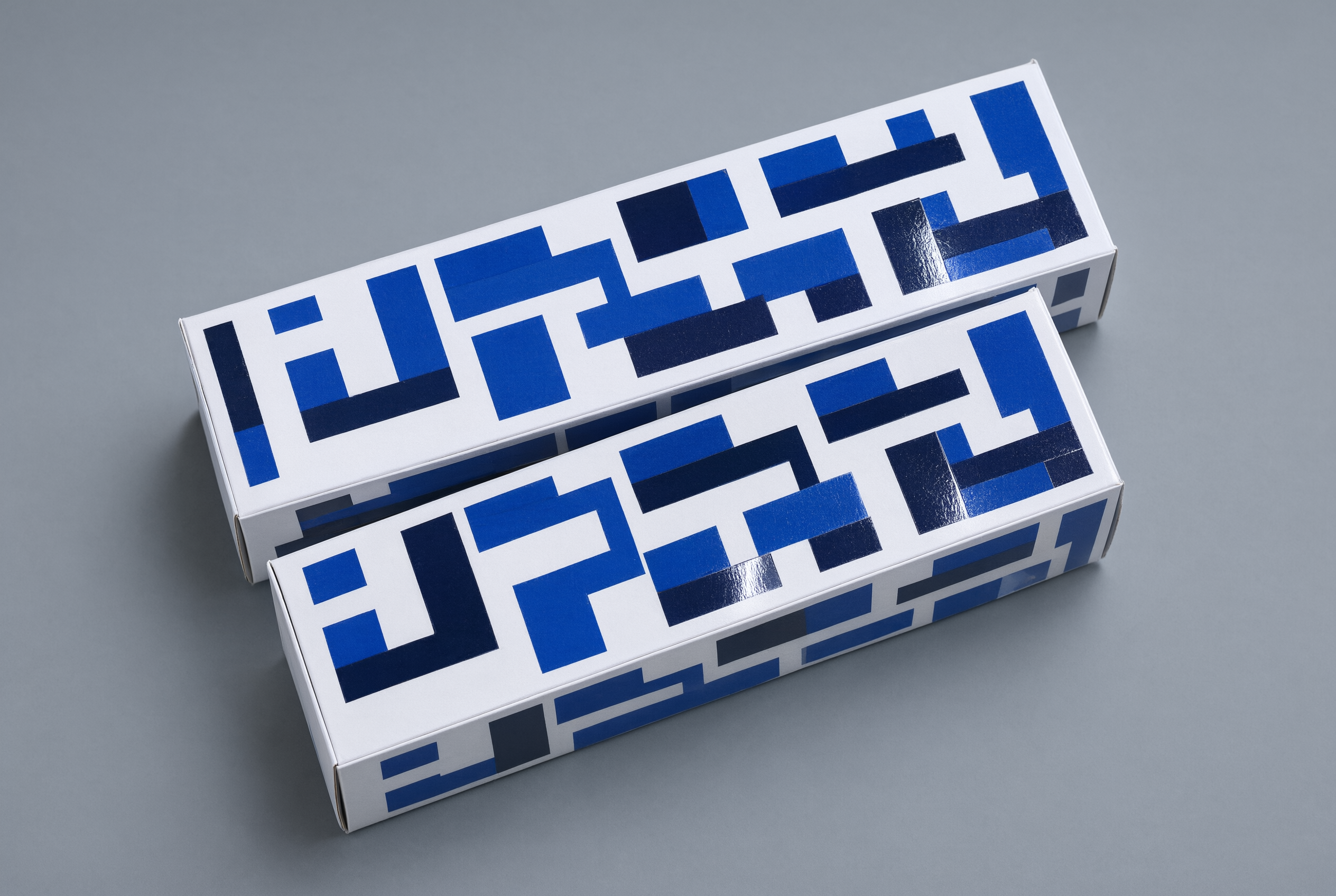
Toothpaste cartons typically carry more on-pack information than most cosmetic cartons — product details, retail information, and whatever regulatory copy applies to your formulation and destination market. Offset printing on coated SBS keeps dense information panels legible, and a matte or gloss lamination protects the surface from smudging during case-packing. Depending on formulation and market, exact regulatory requirements vary — Easybox provides the packaging structure and printable area, and the customer confirms the labeling requirements that apply to their specific product.
One Carton Style, Sized for Different Tube Formats
The same carton style can be adapted for travel-size tubes or widened for a toothpaste-and-toothbrush combo pack — each size is built around its own tube dimensions rather than one dieline stretched to fit. Useful to know upfront if you're planning more than one format from the same product line.
Proof points
A carton that holds up through case-packing
The lamination and print stay clean through the handling a carton sees between the press and the store shelf.
- Shipping
- Free US shipping
- Design support
- Dieline review and digital proof included
- Construction
- Reverse-tuck or straight-tuck SBS paperboard
Sized around your tube, not a stock dimension
Share your tube's filled length, crimp width, and cap diameter and the dieline is cut around them, with practical clearance intended to avoid an unnecessarily loose or overly tight fit.
- Material
- SBS paperboardKraft paperboard available for a natural, unbleached look
- Caliper
- 16pt-20pt
- Construction
- Reverse-tuck or straight-tuck end
- Print method
- Offset, 1-4 color plus optional spot UV
Standard retail toothpaste
Single-tube cartons for grocery, pharmacy, and big-box shelf placement.
Travel and trial size
Smaller cartons sized to TSA-compliant tube volumes.
Toothbrush combo packs
A wider profile that holds a tube and brush together for gift or bundle sets.
Private label and amenity runs
Lightly branded cartons for dental offices, hotels, or subscription oral-care boxes.
Print that keeps the fine print legible
A clean base layer matters more here than on most cartons, since compliance text has to stay sharp under it.
- Offset printing
- Sharp small type for ingredient and compliance panels
- Matte lamination
- Cuts glare over dense text blocks
- Spot UV
- Highlights the brand name without affecting text legibility
- Foil stamping
- Used sparingly on premium or gift-line toothpaste cartons
Three factors that shape the dieline
These three details decide the carton's internal dimensions and print layout before artwork starts.
Tube dimensions
Filled length, crimp width, and cap diameter set the internal cavity.
Panel information needs
Product, regulatory, and retail copy for your market set the minimum panel size.
Packing orientation
Whether the tube packs standing or lying flat affects the carton's internal depth and closure position.
From tube spec to approved carton
Confirming the tube first keeps the rest of the schedule on track.
- 1.0
Share tube dimensions
Filled length, crimp width, and cap diameter.
- 2.0
Confirm compliance copy
Ingredient list, net weight, and any required regulatory text.
- 3.0
Review the dieline proof
Check tube fit and panel layout before print.
- 4.0
Approve print proof and run
Digital or press proof sign-off, then production.
Feel the board and print before you commit
See how compliance-size type prints and how the lamination holds up before your first production run.
Shipping charge: $19.99. Credited toward your first order.
Request a Sample KitQuestions before production.
Visible answers and structured data stay identical.
Yes — share the pump-top's diameter and height, since pump mechanisms are usually wider than a folded crimp end and change the internal cavity.
It depends on your formulation and destination market's regulatory classification for the product — Easybox can advise on board options, but confirming the applicable requirement is on the customer's side.
It depends on board weight and print complexity, so quantity is confirmed alongside your tube spec rather than fixed for every carton style.
Not without a wider cavity — a combo pack gets its own dieline rather than a resized single-tube carton.
Mostly in the amount of required text — ingredient and regulatory copy take up more panel space than a typical cosmetic carton, which shapes the layout more than the fold style does.
Other formats on the bench.
Catalogue products and editor-managed formats available for a production conversation.
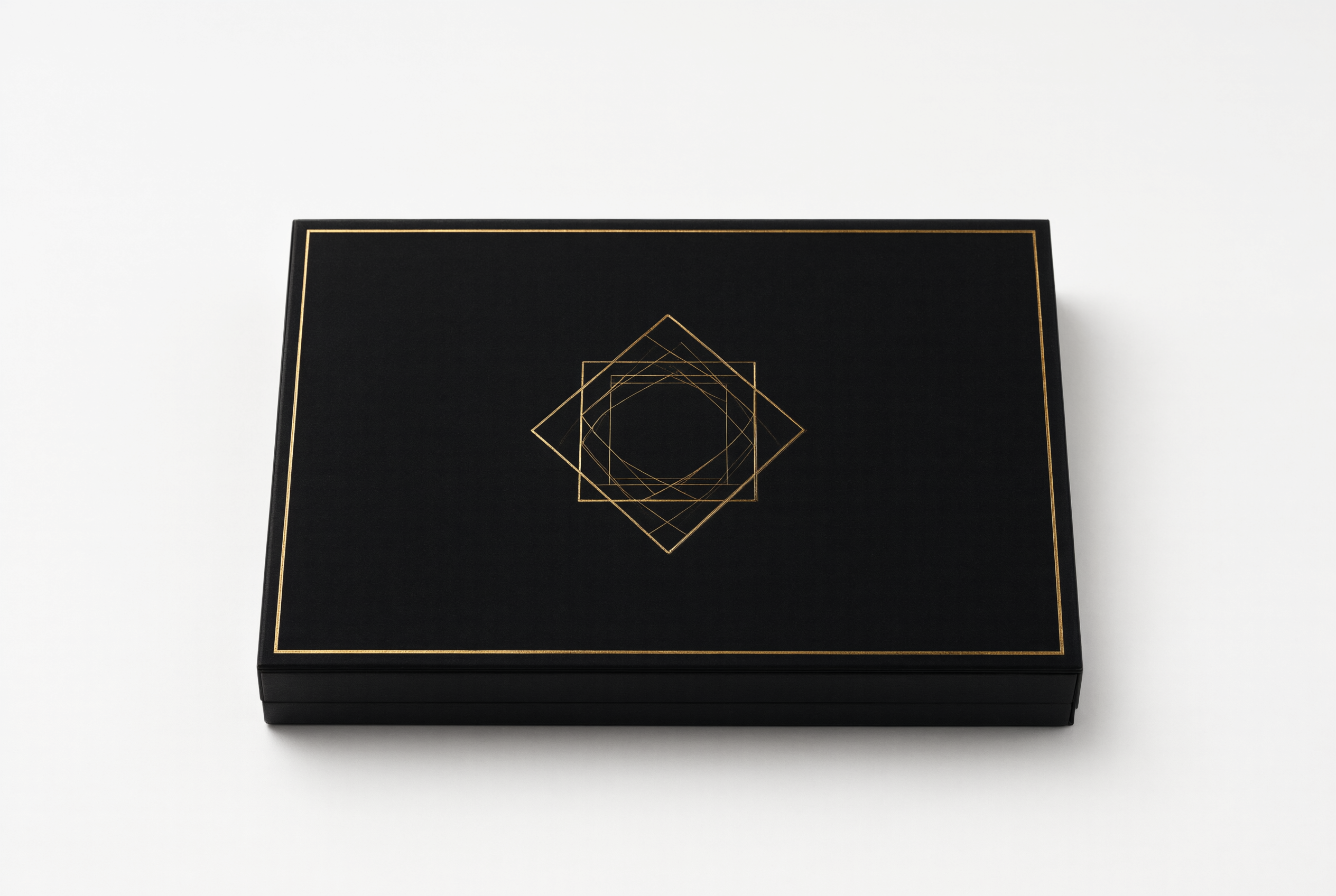
Catalog product
Eyeshadow Boxes
View product →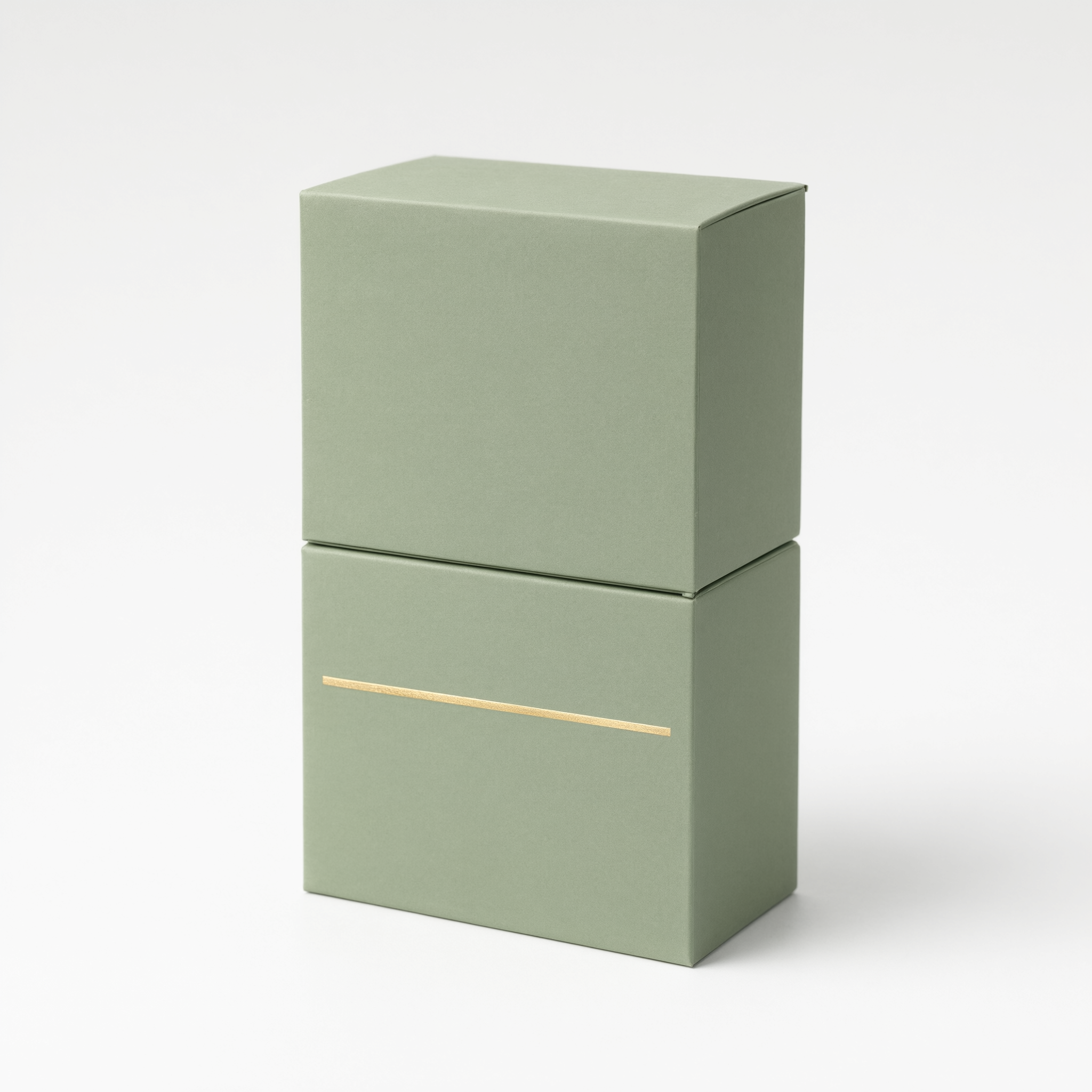
Catalog product
Serum Boxes
View product →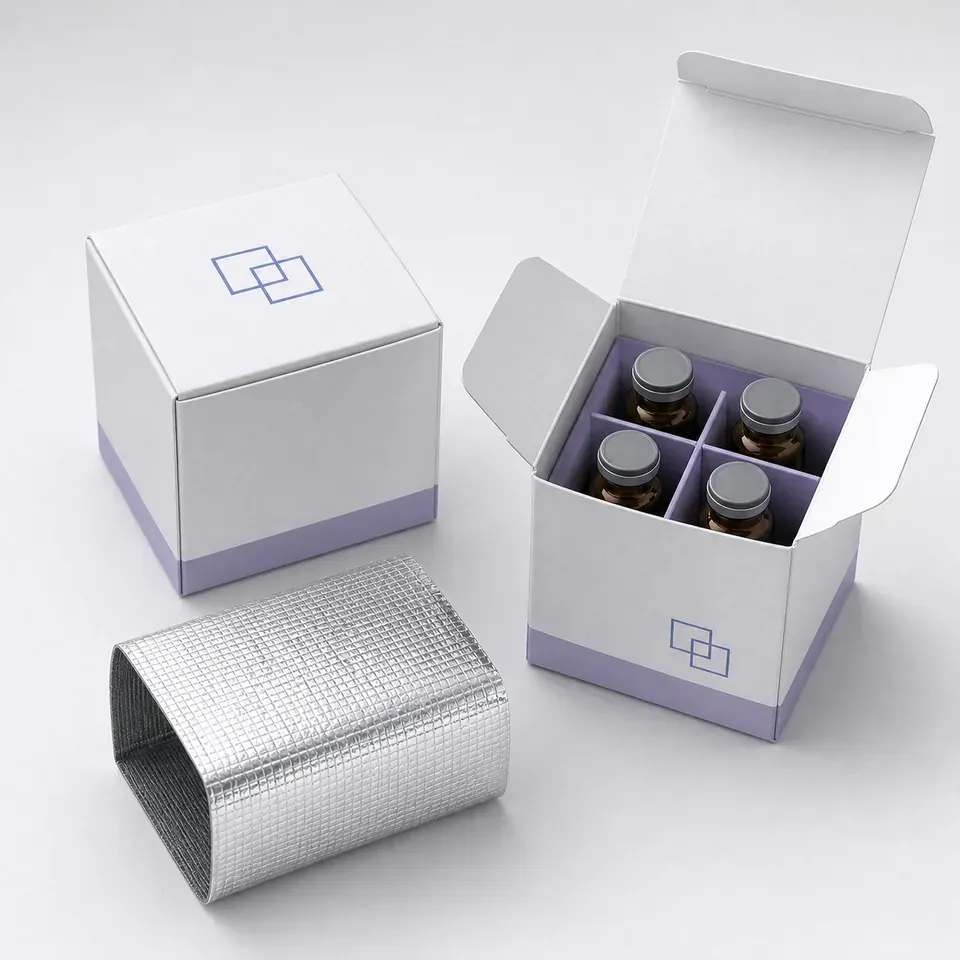
Catalog product
Peptide Vial Boxes
View product →
Catalog product
Makeup Brush Boxes
View product →Start with your tube
Get a toothpaste box built around your tube
Send your tube's filled dimensions, compliance text, and case-pack target for a quote scoped to your actual product.
Configuration not started.