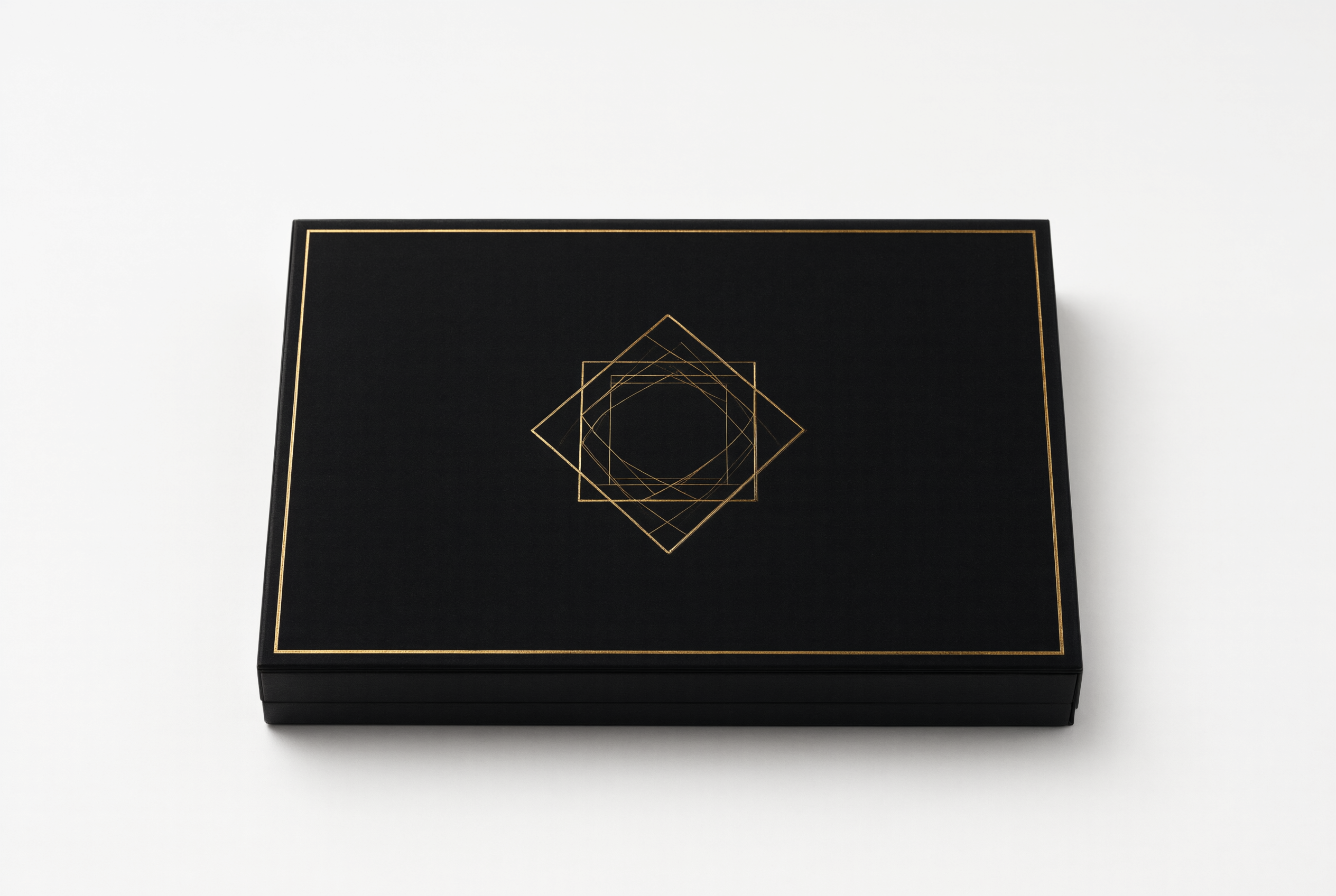
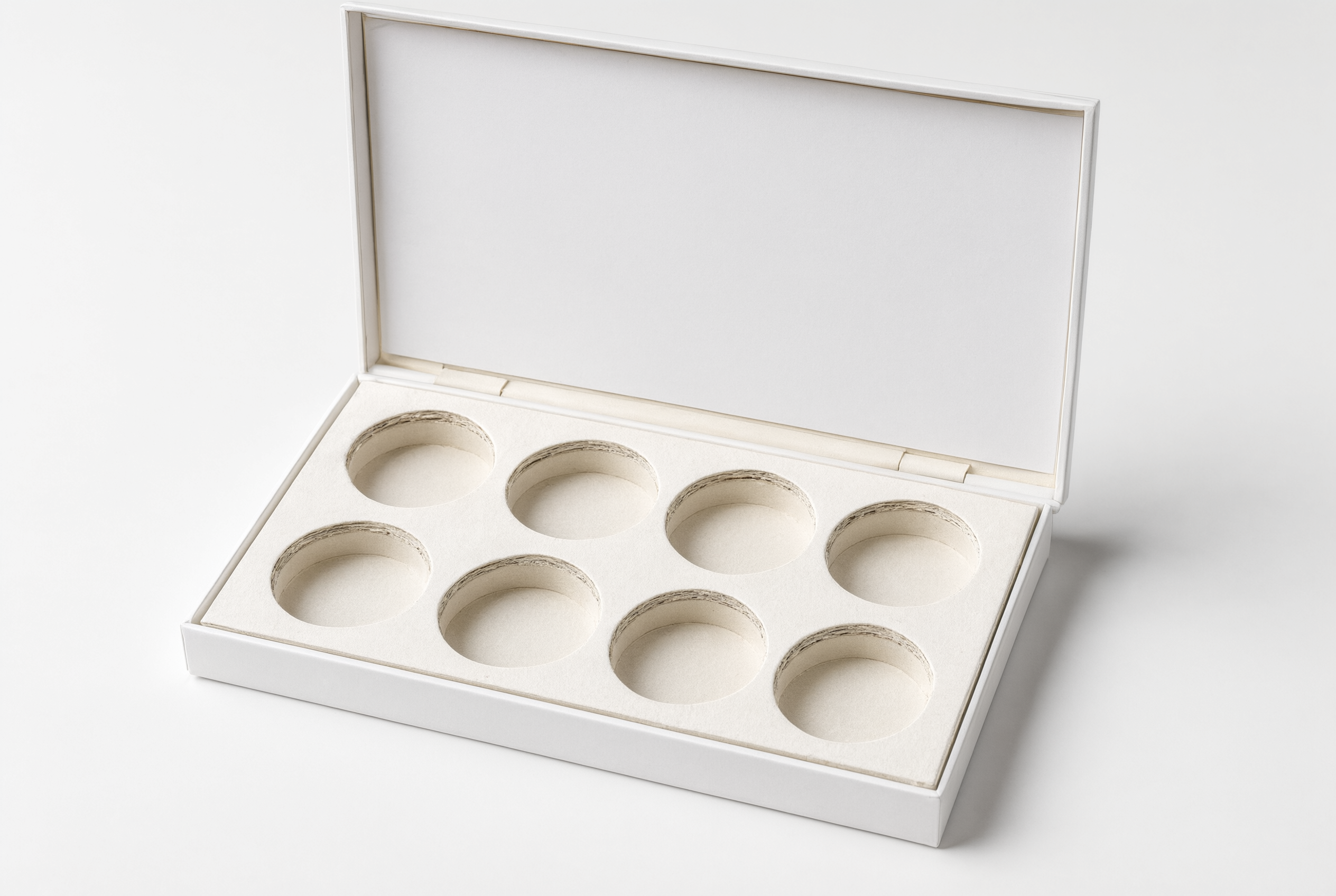
Primary product view
Custom Cosmetic Boxes
Eyeshadow Boxes
Packaging for single-pan compacts or multi-pan eyeshadow palettes, built to hold the case flat and protect pressed pigment from cracking in transit.
- Fits
- Single-pan compacts through multi-pan palettes
- Typical material
- SBS paperboard
Product brief
Built around the way you pack.
Pressed eyeshadow pans are brittle. A palette that shifts or flexes inside its outer box during shipping can crack the pigment even if the compact itself never opens, so the packaging problem here is less about the compact's exterior and more about how little the case moves once it's boxed.
A close-fitting folding carton in SBS paperboard is the standard approach for single or double-pan compacts — a snug internal cavity with a shallow lip keeps the compact from sliding without any added insert. Larger multi-pan palettes, the kind with eight, twelve, or more shades, usually need a die-cut paperboard tray inside a rigid or heavier folding carton, since the palette itself is wider and the flat orientation matters more for keeping every pan level.
Print and Finish for a Flat Format
Eyeshadow packaging is almost always a flat rectangular or square panel, which is a forgiving shape for foil stamping and embossing — there's no curved surface to fight the press. Matte lamination is common on the outer carton since it resists fingerprint smudging during retail handling, while a spot UV pass on the brand logo adds contrast without a full gloss coat that would show scuffs faster.
Sizing for Pan Count
A single-pan compact box and a twenty-pan palette box aren't the same dieline scaled up — pan count changes the internal layout, and larger palettes often need a divider or raised tray edge between rows of pans to stop them from touching in transit. EBP confirms pan count, pan diameter, and total palette footprint before finalizing the internal dieline rather than assuming a standard palette size applies.
A tight fit matters more than a striking exterior
Pressed pigment cracks if the palette shifts inside the box, so the internal cavity or tray is built around the compact's exact footprint before the outer artwork is finalized.
- Material
- SBS paperboard
- Construction
- Close-fit folding carton, or rigid carton with die-cut tray for larger palettes
- Common finish
- Matte lamination, foil stamping, spot UV
- Internal support
- Shallow-lip cavity for single compacts; divided tray for multi-pan palettes
Single and double-pan compacts
Close-fit folding cartons for retail shelf placement.
Multi-pan eyeshadow palettes
Rigid or heavier folding cartons with an internal die-cut tray.
Limited-edition and collaboration releases
Higher-finish cartons using foil stamping or embossing for a collector-item feel.
Subscription and gift-set inclusion
Compact-footprint cartons sized to nest inside a larger box.
Finishing suited to a flat panel
A flat rectangular format takes foil and embossing cleanly, without the print distortion a curved surface would cause.
- Matte lamination
- Resists fingerprint marks during retail handling
- Foil stamping
- Sharp on flat panels for logos and pattern accents
- Embossing/Debossing
- Tactile detail on the lid panel
- Spot UV
- Localized gloss contrast on a matte base
What to confirm before the dieline is cut
A few specifics determine whether a simple carton or an internal tray is the right approach.
Pan count and layout
Single-pan, double-pan, or a full palette grid, since this sets the internal support structure.
Palette footprint
Overall length, width, and depth of the closed compact or palette.
Retail vs. shipping-only
Whether the carton is the retail-facing package or an inner box inside a larger mailer changes how much print detail is worth adding.
From pan count to finished carton
Confirming the palette layout first avoids redesigning the internal tray later.
- 1.0
Share pan count and footprint
Number of pans and overall closed-compact dimensions.
- 2.0
Choose internal support
Simple cavity fit or a divided tray, based on pan count.
- 3.0
Review the dieline and finish proof
Confirm the compact sits without shifting before finalizing artwork.
- 4.0
Approve the production run
Sign off on the final proof, then production begins.
Questions before production.
Visible answers and structured data stay identical.
Usually yes once you're past two or three pans — a die-cut tray keeps each pan from touching its neighbors, which matters more than it does for a single-pan compact.
Yes, foil stamps cleanly over most matte laminate finishes; EBP checks compatibility with the specific laminate before running foil dies.
For low-volume or direct-to-consumer shipping it can, but higher-volume retail runs usually pack the retail carton inside a separate shipping case to avoid transit damage to the printed surface.
It affects the internal dieline complexity more than the outer box cost — a single-pan compact and a twelve-pan palette use different tooling, which EBP prices separately during quotation.
Other formats on the bench.
Catalogue products and editor-managed formats available for a production conversation.
Catalog product
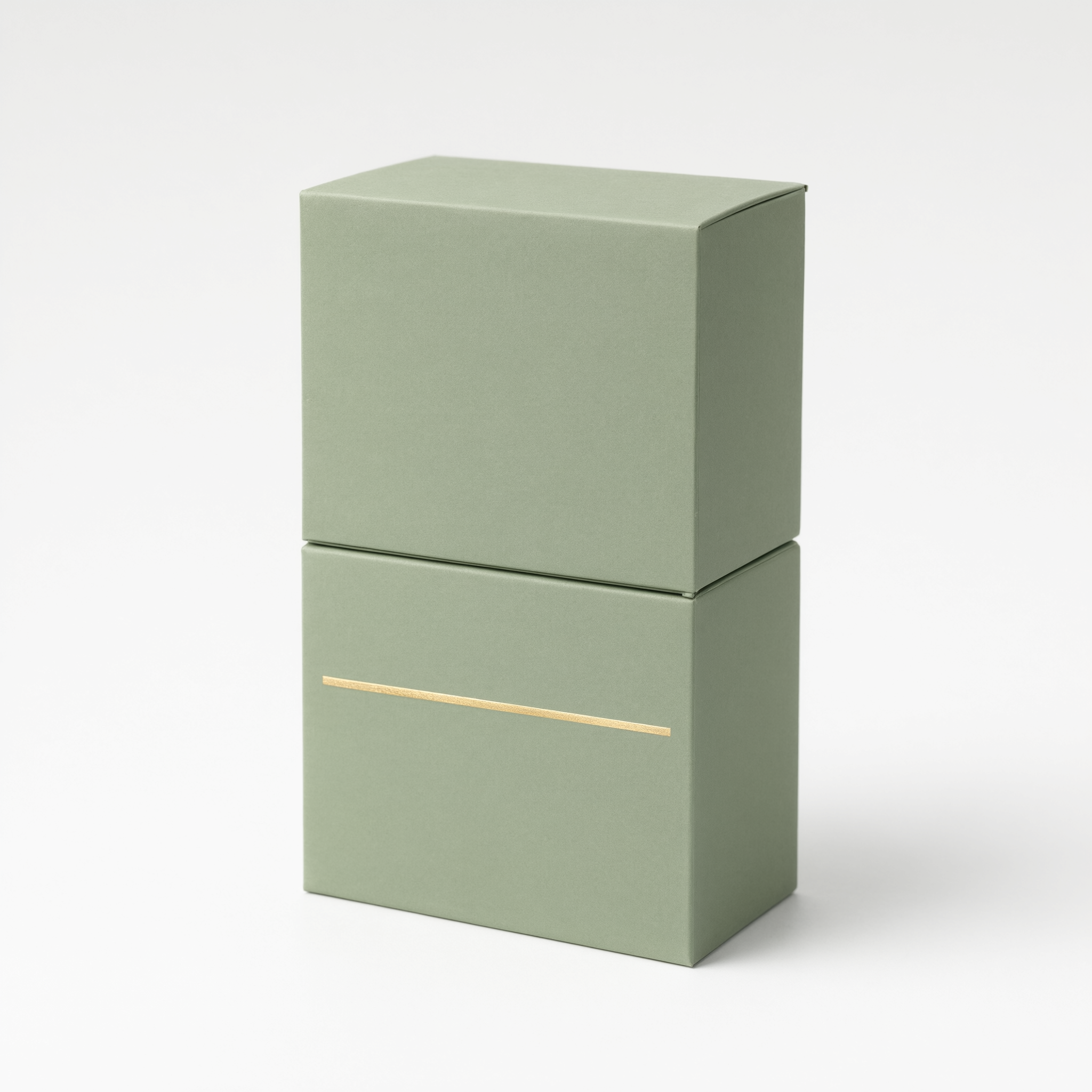
Serum Boxes
View product →
Catalog product
Peptide Vial Boxes
View product →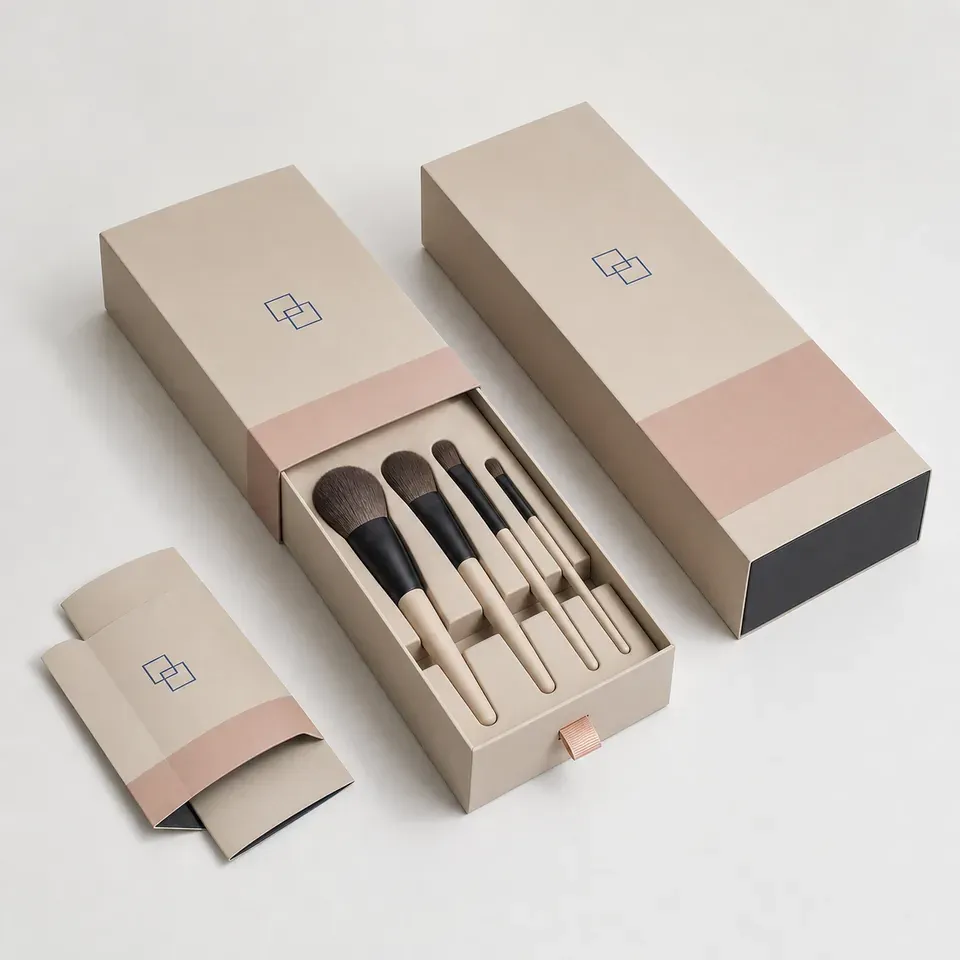
Catalog product
Makeup Brush Boxes
View product →
Catalog product
Beauty Subscription Boxes
View product →Protect the pigment, not just the compact
Build eyeshadow packaging around your palette's real footprint
Send pan count, pan diameter, and overall compact dimensions, and EBP will confirm internal support and finish during quotation.
Configuration not started.