
Primary product view
Custom Cosmetic Boxes
Custom Research Peptide Packaging
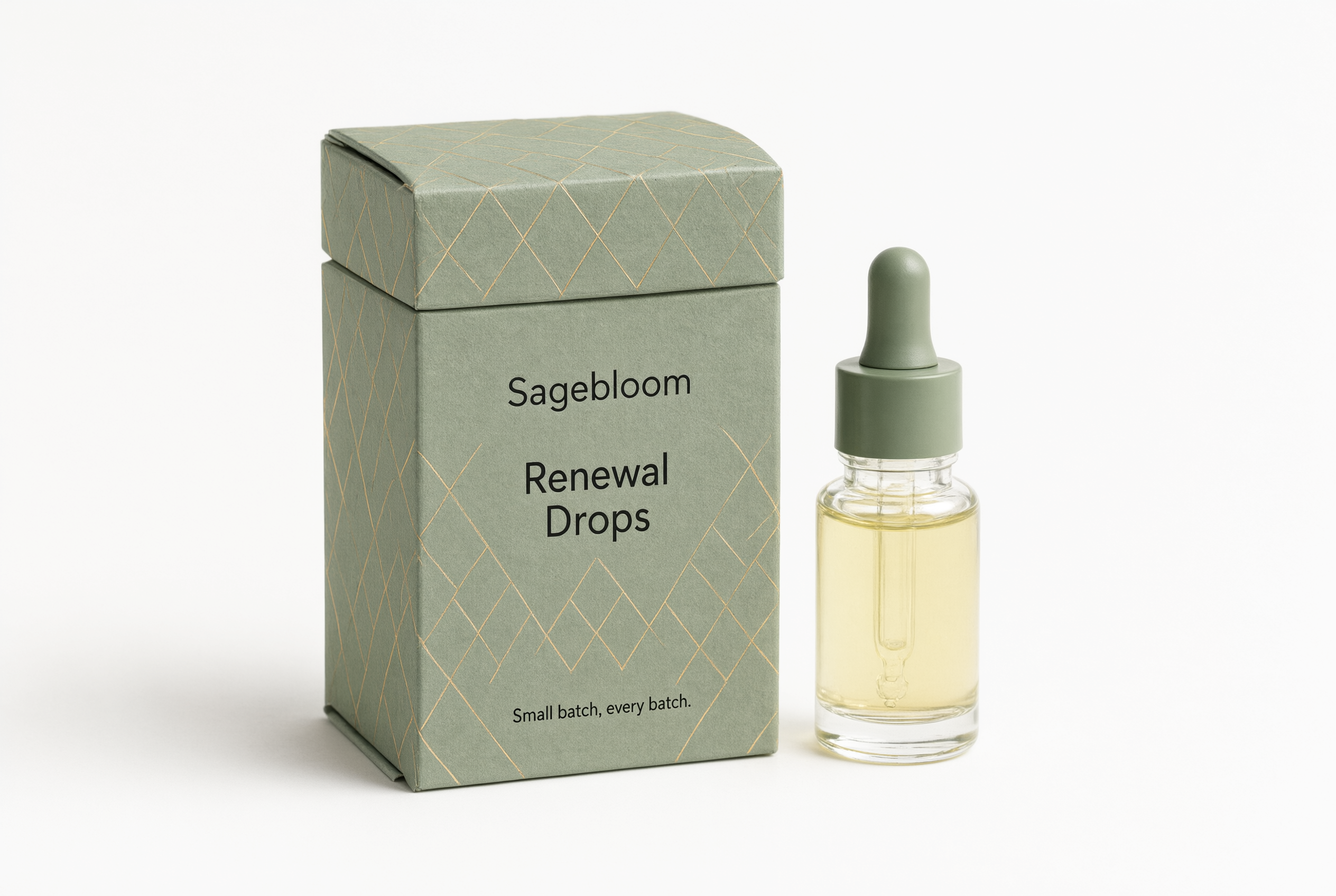
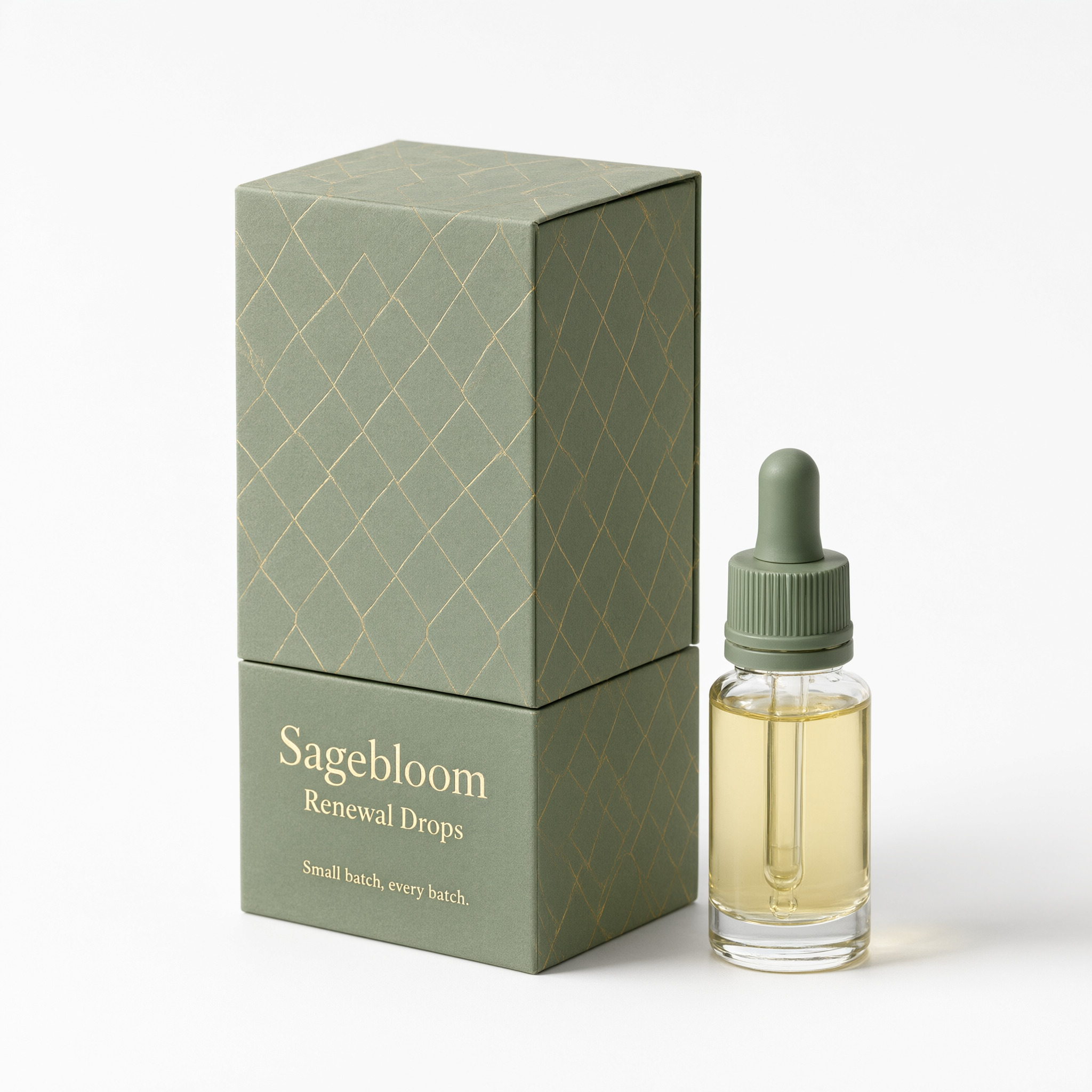
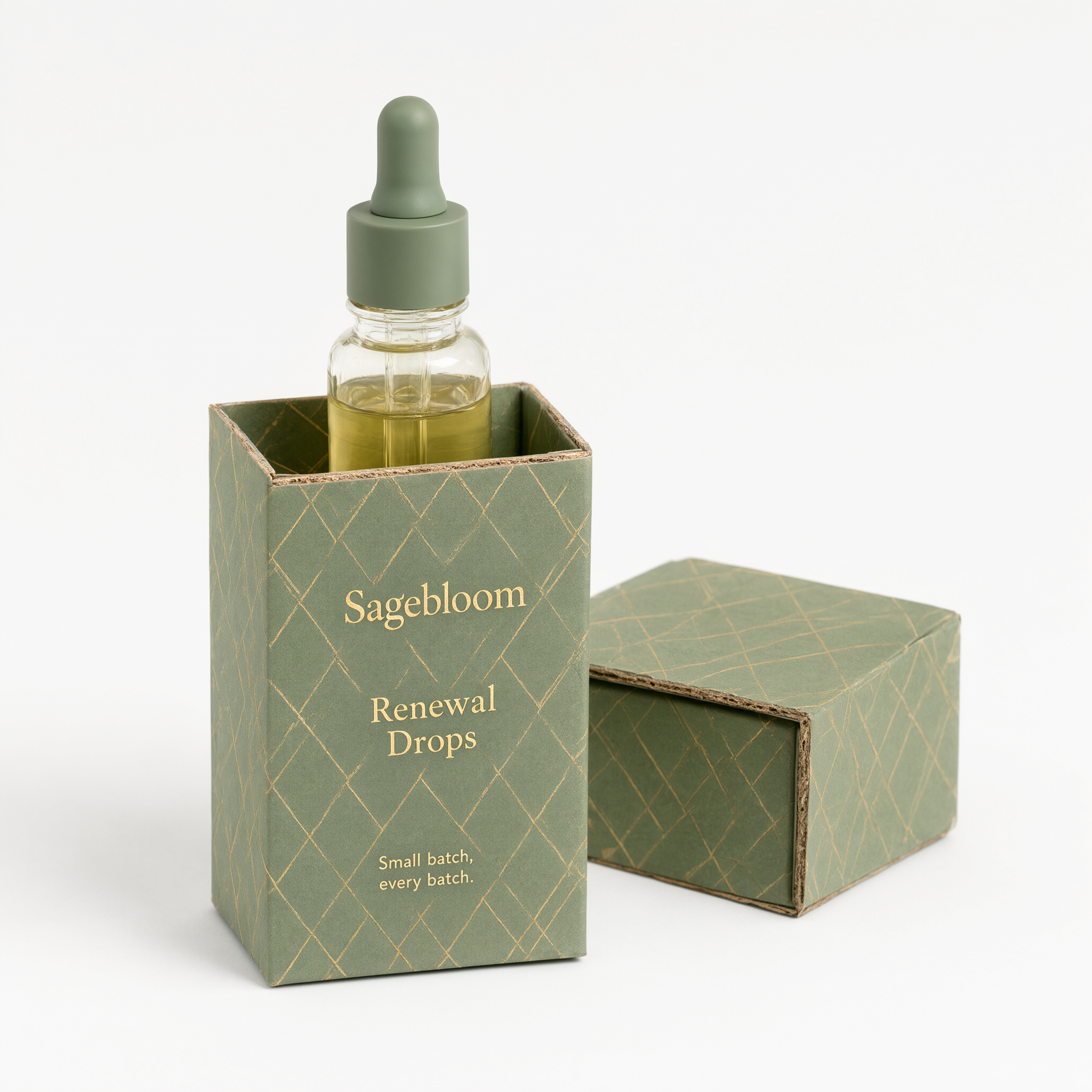
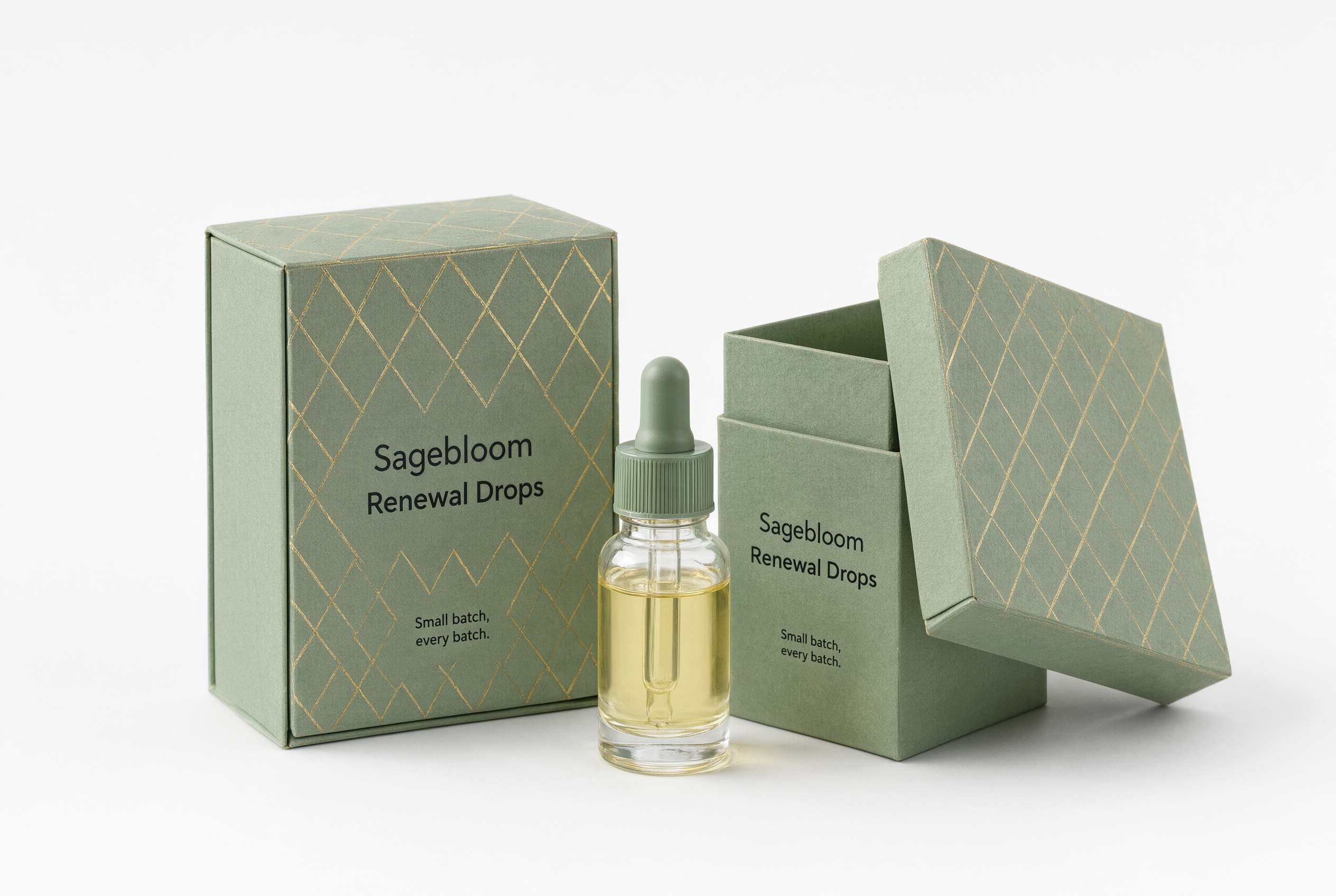
Research peptide packaging built around a single glass vial rather than a multi-vial set: a die-cut paperboard riser holds one vial upright and centered inside a rigid two-piece box or a slide-open sleeve box, sized to the vial's own diameter, height, and closure type. Suited to suppliers packing many individual single-unit orders rather than a retail presentation set.
- Minimum order
- 50 units
- Production
- From 7 business days
Product brief
Built around the way you pack.
Packaging a single research peptide vial is a different problem than packaging a multi-vial set: the box doesn't need several cavities dividing several vials apart from each other, it needs one cavity sized precisely to one vial, repeated correctly across however many individual orders ship in a given week. The vial's own diameter and height, plus its own particular closure style, set that single-cavity fit rather than a shared multi-vial template.
Single-Vial Riser vs. Multi-Vial Insert Tray
A die-cut paperboard riser with one cavity holds a single glass vial upright and centered inside the outer box. This differs from a multi-vial insert tray built to keep several ampoules apart from each other — a single-vial format only has to manage one unit's own measurements. Construction choice, a rigid two-piece box with a separate lid or a slide-open sleeve box, mainly affects how quickly the box packs and closes at the fulfillment stage, since these typically ship one box per parcel rather than as a displayed set.
Measuring the Vial
Sizing starts with the vial's own dimensions: body diameter, assembled height including whatever closure sits on top, and any shoulder or collar profile that changes how it seats once packed. Whether the vial uses a dropper top or a twist cap or a crimp seal changes how it closes, which in turn shapes how the opening gets cut.
Keeping One Vial Secure at Fulfillment Volume
Whether a vial sits securely once packed depends on more than diameter alone. Glass weight and wall thickness change how much support it needs, closure style and upright orientation affect how it sits, and how the box is handled during single-unit packing and shipping factors in too. A die-cut riser sized to the vial's own measurements reduces movement inside the box; the exact clearance is confirmed once real vial dimensions and closure details are on file.
Tamper-Evident and Security Options
A perforated tear-strip closure band can be added to either box construction, giving a visible first-open indicator on a single-vial box. Whether this fits the chosen construction, and how it interacts with any printed finish, gets confirmed during dieline and artwork review.
What Changes the Dieline
A change in vial diameter or height, or an entirely distinct closure style, changes the internal cavity — so a new vial SKU normally needs its own cutting die rather than a scaled version of an existing one. Switching between a rigid two-piece box and a slide-open sleeve box also changes the dieline, since the two constructions close differently.
Proof points
A box built around one vial, not a shared template
Riser sizing and box construction work together so a single vial sits centered and closed correctly, shipment after shipment.
- Construction options
- Rigid two-piece box or slide-open sleeve box
- Typical material
- SBS paperboard
- Common finish
- Foil stamping, matte lamination, or spot UV
- Internal support
- Die-cut single-cavity paperboard riser sized to one vial
- Security option
- Perforated tear-strip closure band, construction-dependent
A riser cut to one vial's dimensions
Send the vial's diameter, height, and closure type, and the paperboard riser is sized to hold that single vial upright and centered inside the box.
- Material
- SBS paperboard
- Construction
- Rigid two-piece box, or slide-open sleeve box
- Common finish
- Foil stamping, matte lamination, or spot UV
- Internal support
- Die-cut single-cavity paperboard riser sized to one vial
- Security option
- Perforated tear-strip closure band (construction-dependent)
Bulk single-unit fulfillment
One box per vial, packed and shipped individually across a high volume of customer orders.
Direct-to-lab shipment
A single vial per box for orders sent straight to a research or laboratory address.
Mixed-SKU vial lines
Each vial diameter or closure type gets its own riser die, even within the same product line.
Retail single-vial sale
A stand-alone vial sold as its own SKU rather than part of a multi-vial set.
Finish choices for a single-vial box
The outer box carries the branding; the internal riser is typically left unprinted.
- Foil stamping
- Can carry a logo mark or product name on the outer box, subject to artwork review
- Matte lamination
- Low-glare surface that reads as clinical and restrained
- Spot UV
- Selective gloss detail over a matte base
What decides the single-vial riser design
A short set of facts about the vial and how it ships points toward the right riser and box construction.
Vial diameter and height
These set the riser cavity's dimensions.
Closure type
A dropper, twist cap, or crimp seal changes the riser's opening and depth.
Fulfillment volume
A rigid two-piece box suits a slower unboxing feel; a slide-open sleeve box suits faster single-unit packing at volume.
From vial spec to a finished single-unit box
Sharing the vial's actual diameter, height, and closure type before production reduces the chance of a loose-fitting riser after the dieline is cut.
- 1.0
Send vial measurements and closure type
Diameter, height, and whether it's a dropper, twist cap, or crimp seal.
- 2.0
Choose box construction
Rigid two-piece box or slide-open sleeve box, based on packing speed and presentation goals.
- 3.0
Review the riser dieline and finish proof
Confirm the cavity fit before committing to the die.
- 4.0
Approve production run
Sign off on the final proof, then production begins.
See the riser fit before you commit to a run
Check riser clearance and box finish on an actual sample before ordering at volume.
Shipping charge: $19.99. Credited toward your first order.
Request a Sample KitQuestions before production.
Visible answers and structured data stay identical.
Yes — riser cavity size follows the specific vial diameter and height, so a different vial SKU normally needs its own riser die rather than a scaled version of the same one.
Yes — the single-cavity riser is sized for one vial, which suits packing many individual single-unit orders rather than a retail presentation set.
A perforated tear-strip closure band can be added depending on the box construction chosen, subject to artwork and dieline review.
The die-cut riser is sized to the vial's own diameter and height to reduce movement inside the box; the exact fit depends on the vial dimensions and closure type supplied.
Both work. A rigid two-piece box gives a slower, more deliberate unboxing feel; a slide-open sleeve box mainly suits faster single-unit packing at higher fulfillment volumes.
Other formats on the bench.
Catalogue products and editor-managed formats available for a production conversation.
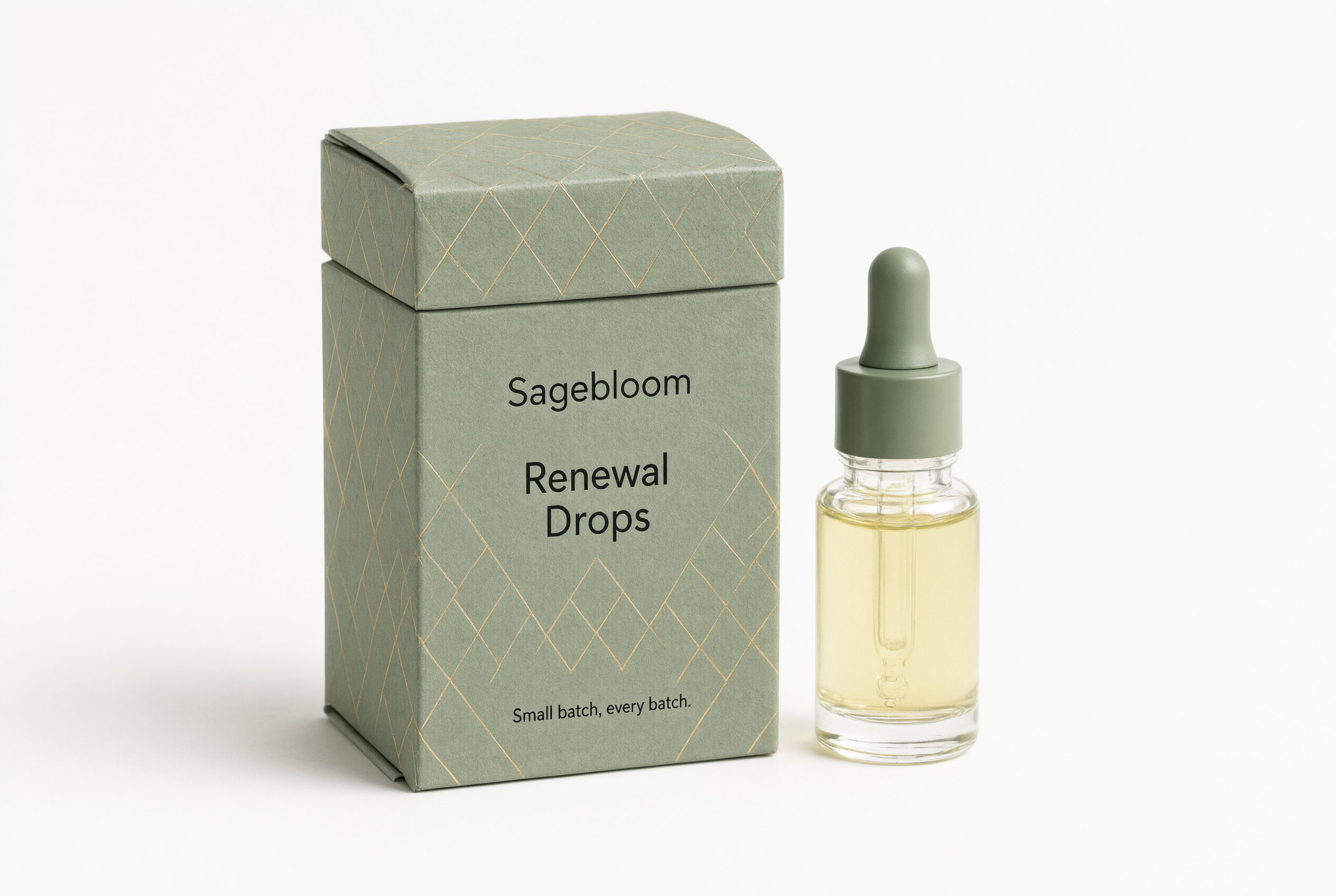
Catalog product
Custom Makeup Boxes
View product →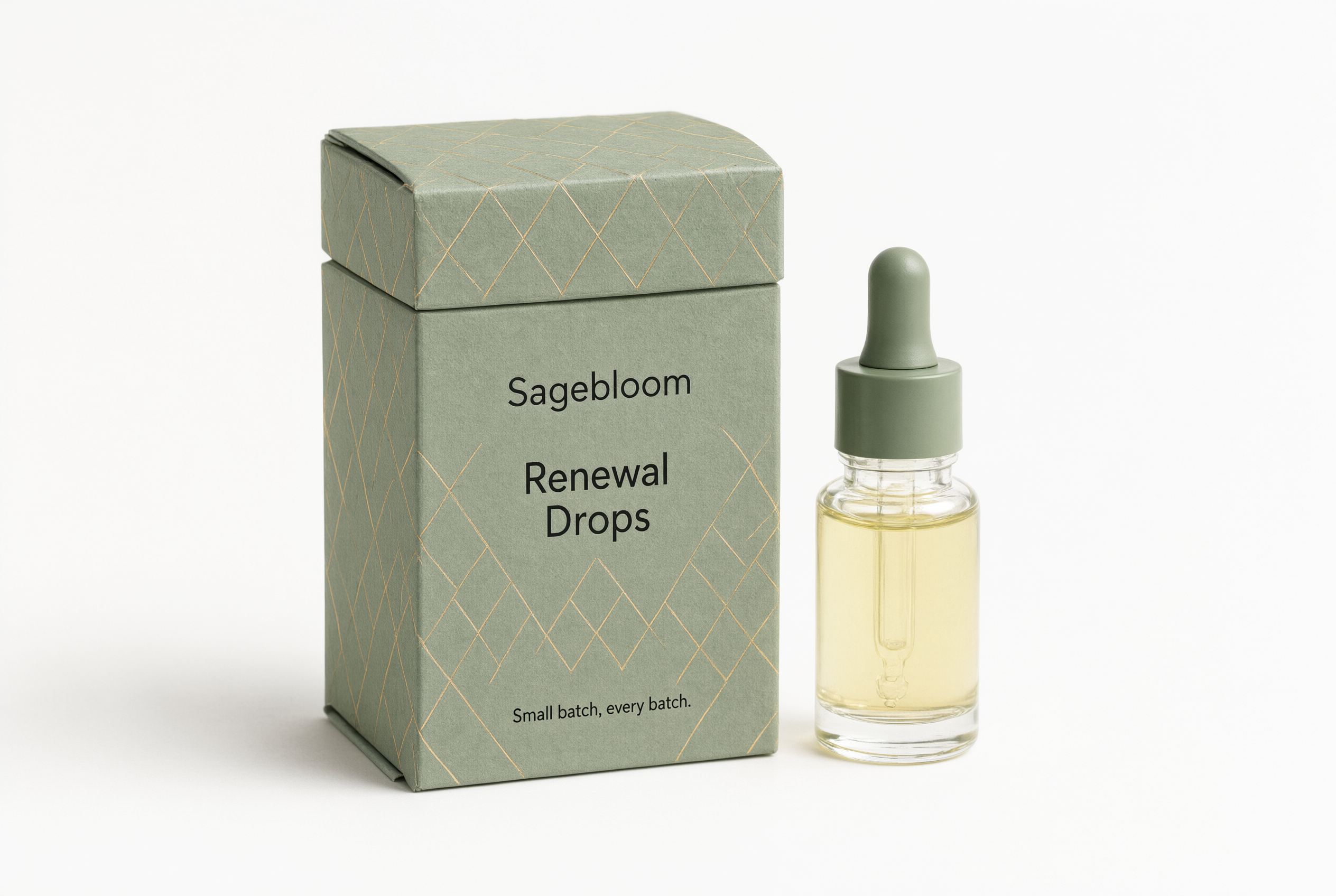
Catalog product
Custom Cosmetics
View product →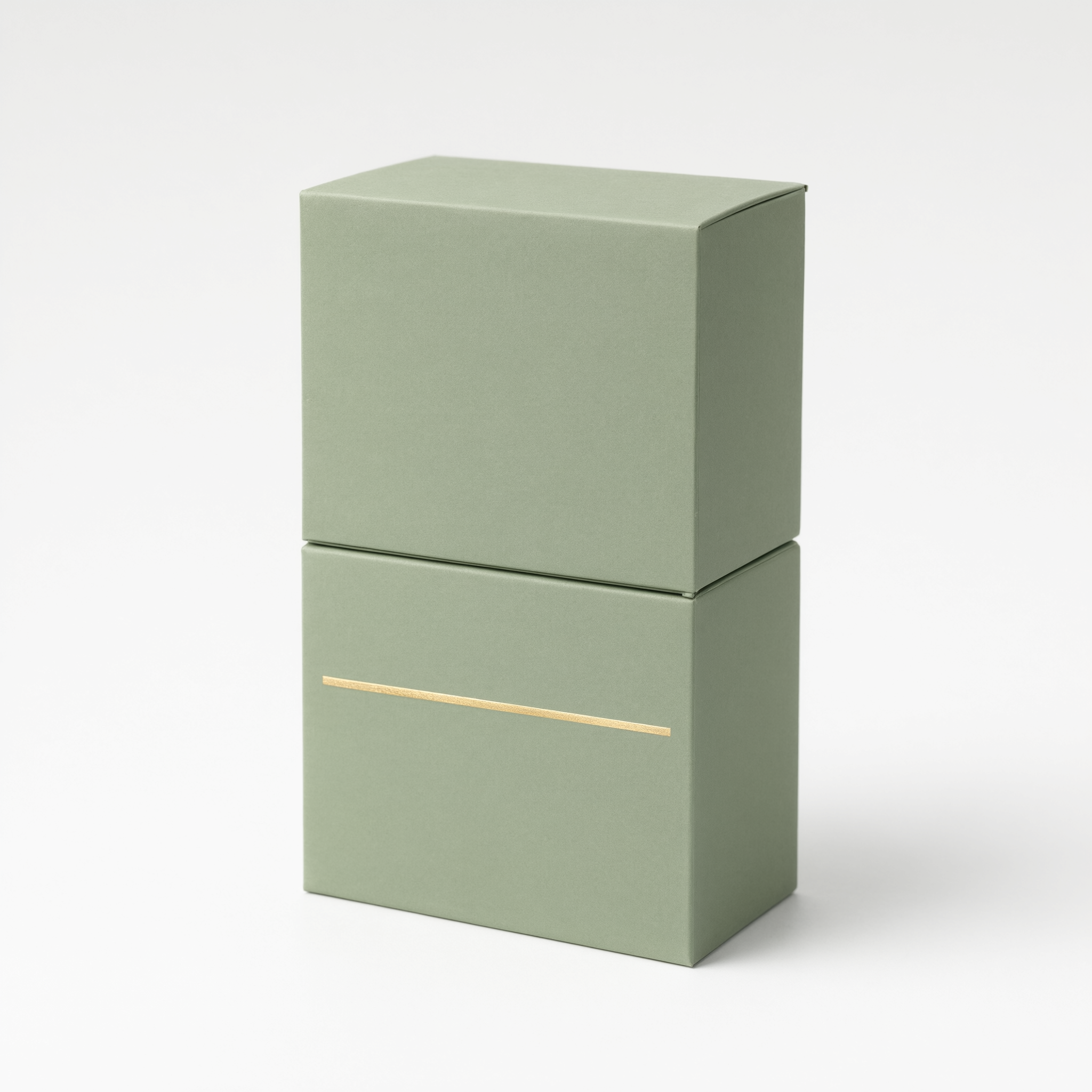
Catalog product
Custom Serum Boxes
View product →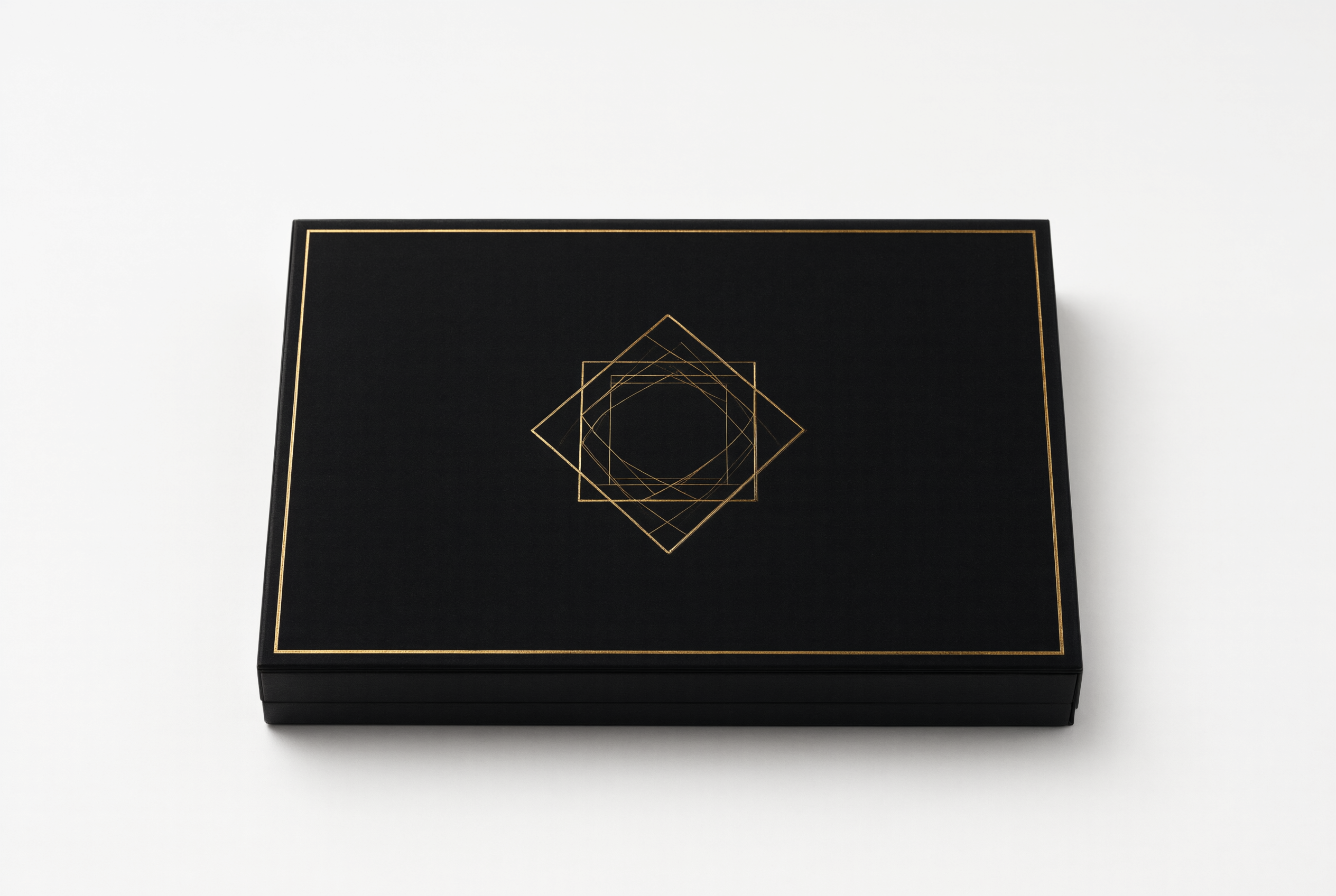
Catalog product
Eyeshadow Boxes
View product →Start with the vial
Build a single-vial box around your actual vial
Send vial diameter, height, and closure type for a quote scoped to your product.
Configuration not started.